Hybrid Publishing vs Self Publishing vs Traditional Publishing for Entrepreneurs
Quick Answer: For entrepreneurs, the publishing path that best fits depends on your goals. Traditional publishing is slow and selective. Self-publishing is fast but hands-off in support. Hybrid publishing offers the professional quality of traditional publishing with the speed, ownership and strategic support entrepreneurs actually need.
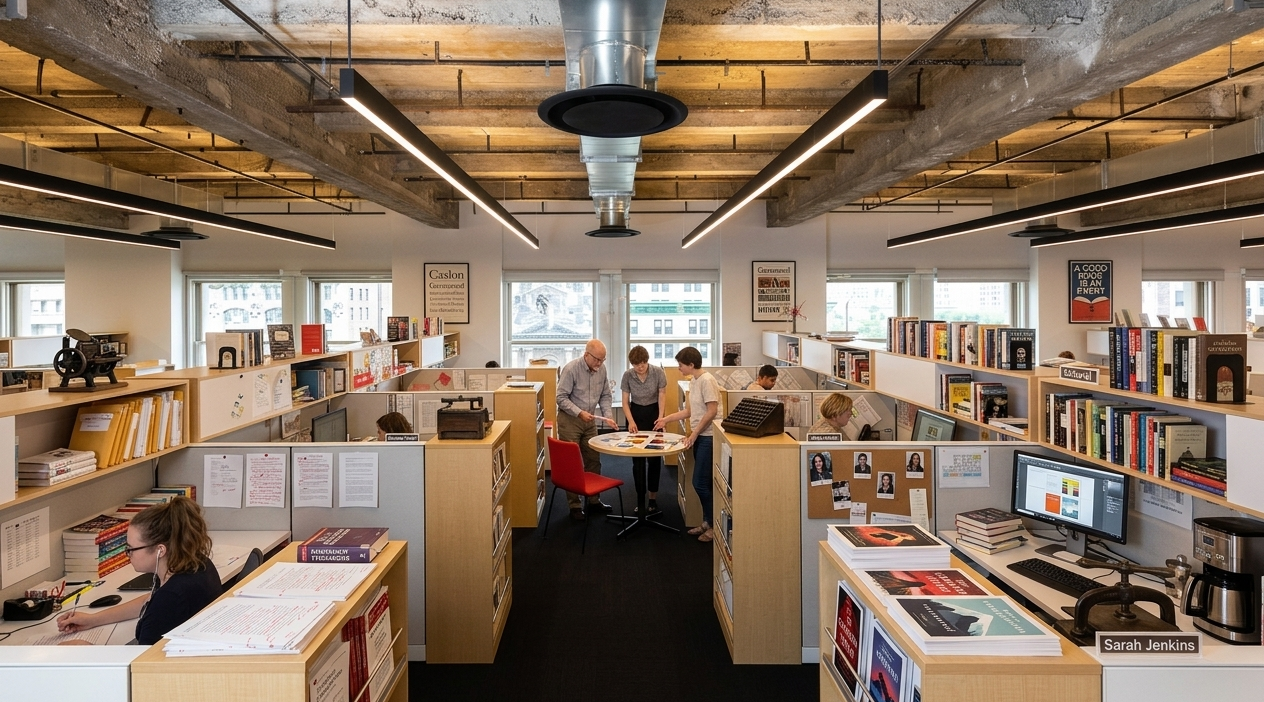
For most entrepreneurs, hybrid publishing is the clearest path to a book that works as a business asset—it delivers traditional editorial standards, faster timelines than a Big Five deal and full rights retention, without the stigma that follows a self-published title into the rooms that matter.
Most business authors aren't writing for retail. They're writing what gets called an authority-building book—the book that becomes the clearest articulation of how they think, the basis for speaking and consulting work, the asset that draws in the right clients and collaborators. That goal changes which publishing path makes sense.
Traditional Publishing
Traditional publishers acquire books they believe will sell widely in retail. The author receives an advance and royalties—10–15% of net, paid only after the advance earns out. Most books don't earn out.
The path fits when the author has a major existing platform, the book is genuinely meant for the bookstore market and the imprint name serves a strategic purpose.
The trade-offs entrepreneurs underestimate: the timeline runs 12–24 months from signed deal to publication on top of however long the deal itself takes—and the publisher decides the title, cover and jacket copy. Authors hand over the book they thought they were writing.
Self-Publishing
Production done well typically runs $15,000–$40,000 in the open market—editor, designer, formatter, indexer, cover and distribution setup. Royalties run 60–70% on Amazon. Timeline can be as fast as four months.
The path fits when the author is experienced with self-publishing, has an audience that doesn't care about the imprint and prizes speed and royalty share over outside editorial standards. It also fits personal projects—a memoir for family, a niche manual for a small audience.
The trade-off entrepreneurs underestimate: a self-published book often signals "self-published" the moment a buyer picks it up. For an authority-building book that's supposed to make a founder more credible to clients and media, that's the wrong signal.
Hybrid Publishing
Hybrid publishing sits between traditional and self-publishing. The author funds production. The publisher contributes editorial standards, professional design, distribution and a name on the spine. The author keeps intellectual property and a meaningful royalty share. The book should be indistinguishable from a traditionally published title.
Pricing depends on scope. Hybrid publishing typically runs in the mid-five to low-six figures, with the spread driven by how much editorial and writing support the manuscript needs. Timeline is 9–18 months.
The path fits when the book needs to function as a credibility asset—media, speaking, fees, inbound—and the author wants the editorial standards of a traditional house, with the speed and rights retention hybrid allows. For most entrepreneurs writing an authority-building book, this is the clearest fit.
The trade-off entrepreneurs underestimate: not every hybrid publisher is the same. The model only works when the publisher is selective enough to protect their list. The harder question isn't whether to choose hybrid but which hybrid publisher.
Where Legacy Launch Pad Fits
Legacy Launch Pad Publishing is run by Anna David, a New York Times bestselling author of eight books published by HarperCollins and Simon & Schuster who’s worked in publishing for over three decades. Therefore, recommendations come from someone who has been on the receiving end of traditional publishing and now runs a boutique hybrid firm.
The firm is small by design. Fewer than 20 books a year. Authors qualify based on strong revenue models and the potential to become the best-known leaders in their industry.
For more on what to look for in any hybrid publisher and how Legacy Launch Pad approaches the work, see Best Hybrid Publishers for Entrepreneurs.
If you're thinking about a book, let's talk about whether it's the right one.
What's the difference between hybrid publishing and self-publishing?
What is the difference between hybrid publishing and traditional publishing?
Which publishing path is best for an entrepreneur writing a business book?
How long does hybrid publishing take versus traditional publishing?
Traditional Publishing
Best for: Celebrities and major platforms
Speed: Slow
Control: Low
Upfront Cost: None
Royalties: Low
Strategy Help: Rare
Traditional publishing can work well for authors with significant visibility or existing media platforms, but it often involves slower timelines and less creative control.
Self Publishing
Best for: DIY authors
Speed: Fast
Control: High
Upfront Cost: Varies
Royalties: High
Strategy Help: DIY
Self publishing offers speed, ownership and flexibility, but authors are usually responsible for managing strategy, production and marketing themselves.
Hybrid Publishing
Best for: Entrepreneurs and experts
Speed: Moderate
Control: High
Upfront Cost: Investment
Royalties: Higher
Strategy Help: Included
Hybrid publishing is often the strongest fit for entrepreneurs who want professional support while using a book to build authority, attract clients and grow a business.
Myth vs. Reality
|
Myth |
Reality |
|
Most authors make money selling books |
Most make money from the opportunities books create—speaking, clients, media |
|
Bestseller status guarantees success |
Strategic positioning and business integration matter far more |
|
More readers is always better |
The right readers—your ideal clients and referral sources—matter more than volume |
|
Traditional publishing is more credible |
Quality editorial and distribution matter more than the publishing model |
|
Self-publishing is just as good |
Without editorial standards and strategy, most self-published books don't open doors |